
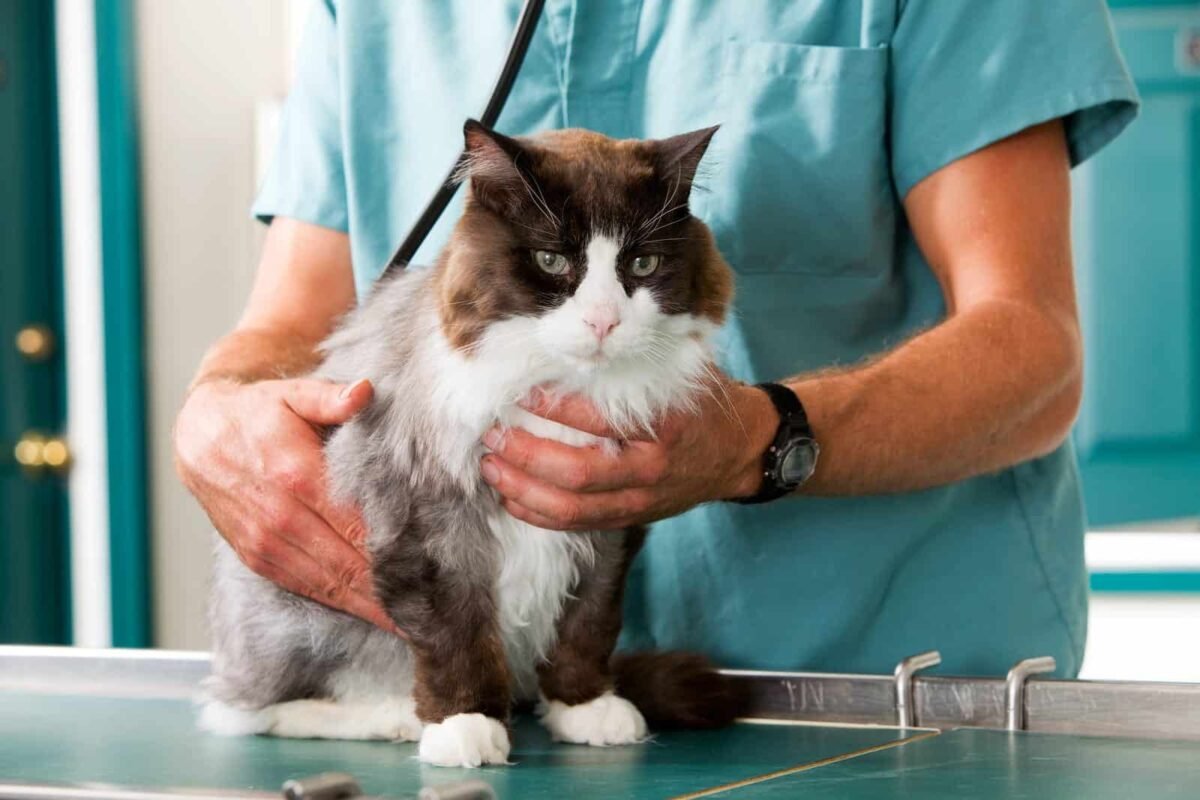
If you’re considering bringing a British Longhair cat into your home, you may be wondering, how long will this fluffy feline friend live? Understanding the typical life expectancy of this breed can help you plan for veterinary care, long-term costs, and the kind of commitment you’re making. Here’s a comprehensive look at the lifespan of British Longhair cats—plus the factors that influence how long they live and some practical tips to help your cat reach its full longevity potential.
Typical Lifespan
- According to the PDSA, British Longhair cats have an average lifespan of about 14–18 years.
- Other sources place their life expectancy slightly lower or more conservatively:
- PetGOV lists 12–15 years, with some cats living up to 17 years.
- Purina UK gives a lifespan range of 12–17 years.
- According to A-Vet Shop, they can live quite long—12–20 years, under ideal conditions.
- PetGuide suggests a typical lifespan of 15–17 years for this breed.
So, while there’s some variation among sources, you can reasonably expect a British Longhair to live somewhere between 12 and 18 years, and possibly even into their early 20s under very good care.
Why Do Lifespans Vary?
Several factors influence how long a British Longhair lives. Here are the main ones:
- Genetics and Breed Risks
- British Longhairs are descended from British Shorthairs crossed with Persians, which can carry certain genetic risks.
- Common health concerns include hypertrophic cardiomyopathy (HCM) and polycystic kidney disease (PKD).
- Responsible breeders often test for these conditions, which can help reduce risk.
- Weight and Size
- The British Longhair has a solid, muscular build and can weigh between 3.2 kg and 7.7 kg, depending on the source.
- According to veterinary studies, obesity and higher body weight can negatively affect a cat’s lifespan.
- Keeping your cat at a healthy weight through controlled diet and exercise helps longevity.
- Lifestyle and Care
- Indoor cats generally live longer because they face fewer dangers like traffic, fights, or predators.
- Regular vet checkups, good nutrition, and preventative dental and general care are very important.
- Because of their long, dense coat, British Longhairs require frequent grooming to prevent matting and reduce stress, which indirectly supports their health.
- Stress and Environment
- A calm, stable environment contributes to better overall health for a cat.
- Stress—whether from change, poor handling, or lack of enrichment—can negatively affect longevity.
Realistic Expectations & Tips for Owners
Here are some practical takeaways if you’re planning to adopt or already own a British Longhair:
- Prepare for a long-term relationship. With a typical lifespan of 12–18 years, owning a British Longhair is a significant commitment.
- Choose a reputable breeder. Ask about genetic testing for PKD and HCM, and choose breeders with healthy breeding practices.
- Maintain regular veterinary visits. Preventative care (vaccines, wellness checks) will help you catch issues early.
- Grooming matters. Brush your cat regularly (several times a week or more) to avoid mats and reduce shedding stress.
- Watch their weight. Feed a balanced diet, measure portions, and encourage play to keep your cat fit.
- Provide a safe, enriched environment. Keep your cat indoors (or safely supervised outside), offer toys and perches, and minimize stress.
Why Lifespan Estimates Differ
- Different cat breed registries, veterinary organizations, and pet-care websites base their lifespan estimates on different datasets (some on breeder/staffed-clinic data, others on long-term studies).
- Some sources reflect ideal conditions (well-bred, indoor cats, excellent care), while others are more conservative and reflect real-world averages.
- Also, the newer studies and breed-specific data are improving over time, so lifespan estimates may evolve.
Bottom Line
- What is the lifespan of a British Longhair cat? Usually 12–18 years, depending on care, genetics, and lifestyle.
- With good care—including regular vet checks, weight management, grooming, and love—many British Longhairs can live into their latter teens, and some even reach 20 years.
- If you’re ready for that long-term bond, a British Longhair can be a wonderful, fluffy, and loyal companion.
