If you’re thinking about adopting a British Longhair or you already share your home with one, you may be wondering: Do British Longhair cats shed a lot?
The short answer is yes—they shed moderately to heavily, especially during seasonal changes. But don’t worry: with the right grooming routine, their shedding is absolutely manageable.
In this comprehensive guide, you’ll learn why British Longhairs shed, how much shedding you can expect, and simple tips to keep their luxurious coats healthy and your home fur-free.
What Makes British Longhair Cats Shed?
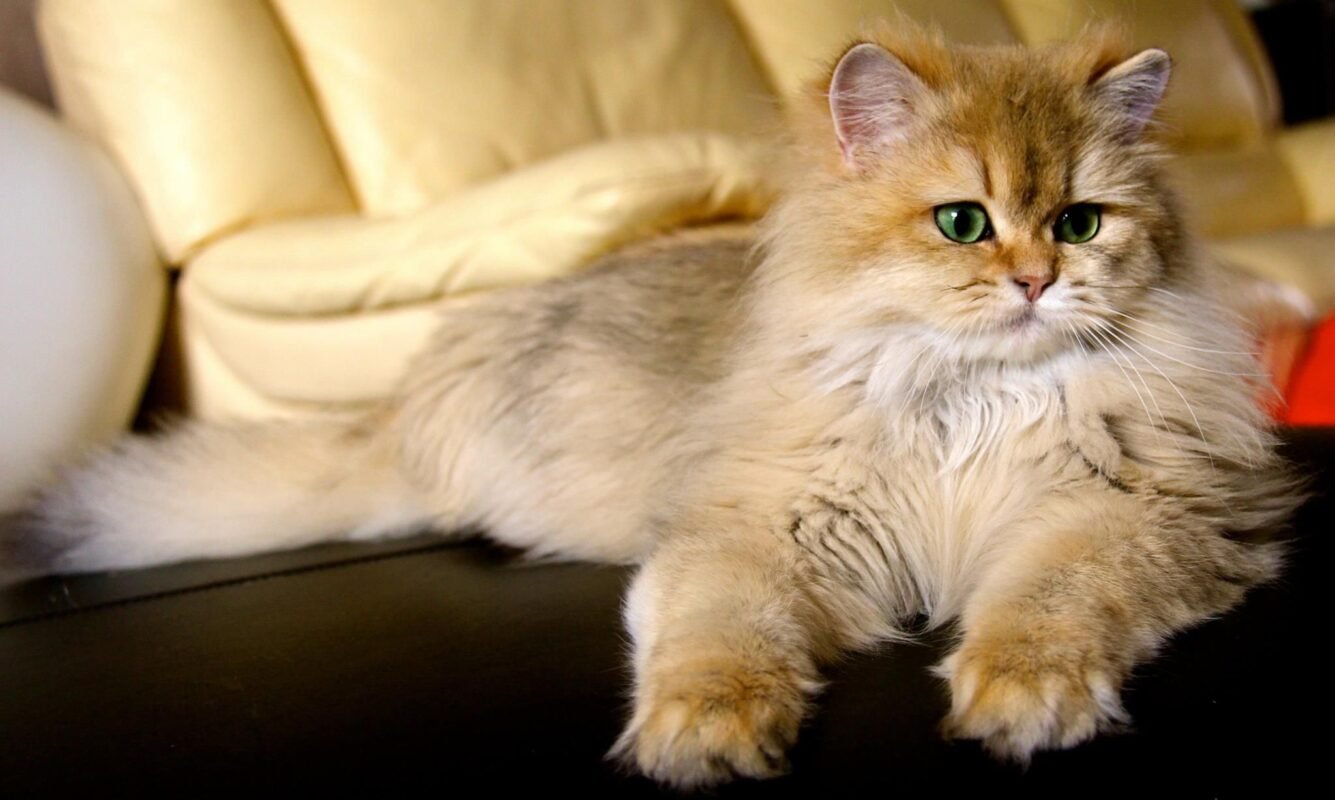
British Longhairs are known for their dense, plush double coat—the same iconic fur as the British Shorthair, but longer. Their coat consists of:
- A soft, thick undercoat
- A protective outer layer
This double coat is the main reason why they shed more than some other longhaired breeds. When the seasons change, their undercoat becomes thicker or lighter, causing increased shedding in spring and fall.
How Much Do British Longhair Cats Shed?
✔ Year-Round Shedding: Moderate
British Longhairs shed a steady amount throughout the year, just like other double-coated breeds.
✔ Seasonal Shedding: Heavy
During spring, they lose excess winter fur. In fall, they shed lightly as their winter undercoat grows in.
✔ Kittens vs. Adults
- Kittens shed less as they transition from baby coat to adult coat.
- Adults shed more consistently once the full coat has grown in.
If you’re sensitive to cat hair or have allergies, be prepared for a bit more grooming compared to shorthaired breeds.
Are British Longhairs Considered Heavy Shedders?
Compared to other longhaired cats, the British Longhair is moderate-to-heavy on the shedding scale. They are not the heaviest shedding breed, but their thick double coat produces noticeably more fur than a British Shorthair or single-coated breeds like the Balinese.
Why Your British Longhair Might Be Shedding Excessively
If shedding seems unusually heavy, one of these factors might be the cause:
1. Seasonal Coat Changes
This is completely normal.
2. Poor Diet
Lack of healthy fats or nutrients can lead to brittle hair and more shedding.
3. Stress and Anxiety
Cats may shed more when stressed—loud noises, moving homes, or changes in routine can trigger this.
4. Skin Conditions
Parasites, dryness, or fungal issues may cause excessive shedding.
5. Lack of Grooming
A thick double coat that isn’t brushed regularly will shed more into your home.
If shedding is accompanied by bald patches, itching, or changes in behavior, consult a veterinarian.
How to Manage British Longhair Shedding (Simple & Effective Tips)
1. Brush Regularly (3–4 Times a Week)
Use these tools for best results:
- Slicker brush (removes loose topcoat hairs)
- Undercoat rake (targets the thick inner coat)
- Wide-tooth comb (great for long coats)
Regular brushing removes loose hair before it reaches your furniture.
2. Feed a High-Quality Diet
Look for food with:
- Omega-3 and omega-6 fatty acids
- High-quality animal proteins
- Minimal fillers
Healthy skin equals healthier fur and less shedding.
3. Keep Your Cat Hydrated
Dehydration can worsen shedding. Provide:
- Fresh water daily
- A pet fountain for picky drinkers
- Wet food for extra moisture
4. Use a De-Shedding Tool During Peak Seasons
Tools like the Furminator (designed for long hair) help remove loose undercoat hair more efficiently.
5. Bathe Occasionally (Only When Needed)
British Longhairs generally do not need frequent baths, but doing so during peak shedding seasons can help release loose fur.
Use cat-safe, mild shampoo only.
6. Keep a Clean Environment
- Vacuum with a pet-specific cleaner
- Use washable blankets for favorite cat spots
- Use lint rollers for clothing and furniture
Do British Longhair Cats Shed More Than British Shorthairs?
Yes—but only slightly.
British Longhairs have the same double coat as British Shorthairs, but since the fur is longer and fluffier, the shedding is more noticeable.
However, both breeds shed more during seasonal transitions.
Are British Longhairs Hypoallergenic?
No.
Because they shed regularly, they spread more dander—the primary cause of cat allergies. If you’re allergic to cats, this breed may not be the best choice, although allergy sensitivity varies by individual.
Is a British Longhair a Good Pet if You Don’t Want Much Fur?
If you want a low-shed or low-maintenance cat, the British Longhair may not be ideal.
However, if you:
- Prefer fluffy, teddy-bear-like cats
- Don’t mind regular grooming
- Enjoy a calm and affectionate companion
… then the British Longhair is a wonderful choice.
Final Thoughts: Do British Longhair Cats Shed a Lot?
Yes—British Longhair cats shed moderately year-round and heavily during seasonal changes.
But with routine grooming and a proper diet, their shedding is easy to manage.
Their soft, plush coats and sweet, calm personalities more than make up for the extra brushing time.
If you’re prepared for a little fluff, the British Longhair makes a loving, cuddly, and stunning companion.
